Taking a product from concept to product realization can be a lengthy and complex process, with many variables, including design, material selection, extrusion parameters, and more. If any one of these is off, your product may not function as intended. Prototype services can ensure proper choices are made upfront before the product reaches full-scale production.
Why Extrusion Prototyping Is Different Than One-Off Prototypes
When people think of prototypes, they often picture 3D printing or low-cost soft tooling. Those methods can be great for checking fit, look, and basic geometry, but for plastic extrusion, they typically won’t predict real-world performance. Extrusion creates a continuous profile under heat, pressure, and controlled cooling, which directly affects factors such as stiffness, flexibility, surface finish, dimensional stability, and how the material behaves in use.
What prototype services are for Extrusion
In extrusion, the prototype is often the first run from production-intent tooling. Most customers who already know they need an extrusion understand that the fastest path to meaningful samples is to invest in the die/tooling and then refine the details through controlled iterations. That’s because the die design, calibrators, cooling, and line settings all influence whether the profile meets your functional requirements.
It’s common for early samples to drive changes, either modifying the tooling (to adjust walls, features, or flow) and/or running a second iteration to dial in performance. Instead of treating that as a failure, extrusion teams treat it as the normal development path: test, learn, adjust, and repeat until the profile performs the way the application needs it to.
To move quickly, it helps to start with a clear target. Even if you don’t have a released engineering drawing yet, sharing the information below helps an extrusion team build toward the right solution:
- Intended application and what success looks like (sealing, protection, wear surface, grip, insulation, etc.).
- Material preferences (or constraints), plus any regulatory or cleanliness requirements.
- Critical dimensions and tolerances—what matters most vs. what can be adjusted during development.
- Use environment (temperature, UV exposure, chemicals, abrasion) and expected lifetime.
- Estimated annual volume and launch timing (helps balance tooling and sampling approach).
Development Support, Even Without A Released Engineering Drawing
At Petro Packaging, we use research, development, and prototyping to describe our willingness and ability to collaborate early, when the details are still being defined. If your specifications aren’t fully ironed out, we can work from functional requirements and real-world constraints, then refine the design through sampling and iteration. The goal is to solve the customer’s problem, not just quote to a drawing.
This approach also supports customers who want to sample a product before mass production. We’re open to developing new extruded products with strong future order potential and can provide samples during development so you can evaluate fit, function, and performance before scaling up.
How Petro Packaging Can Help
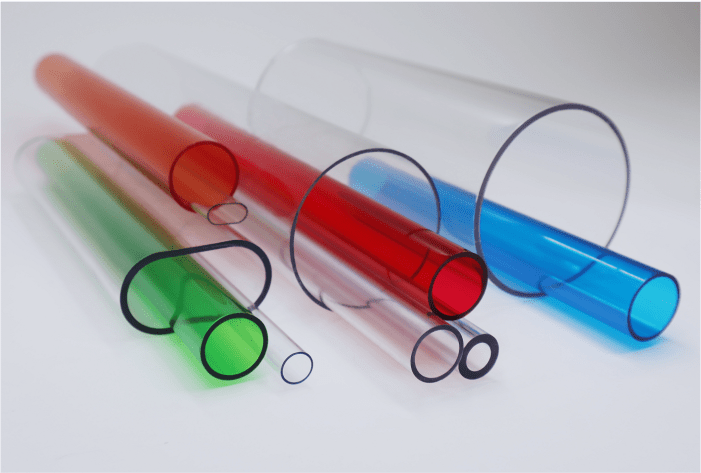
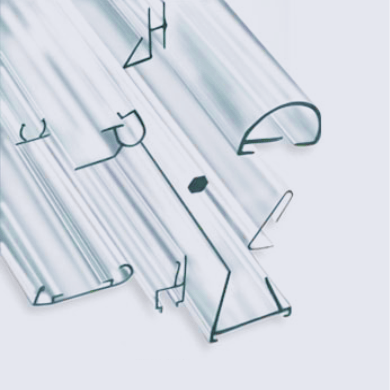
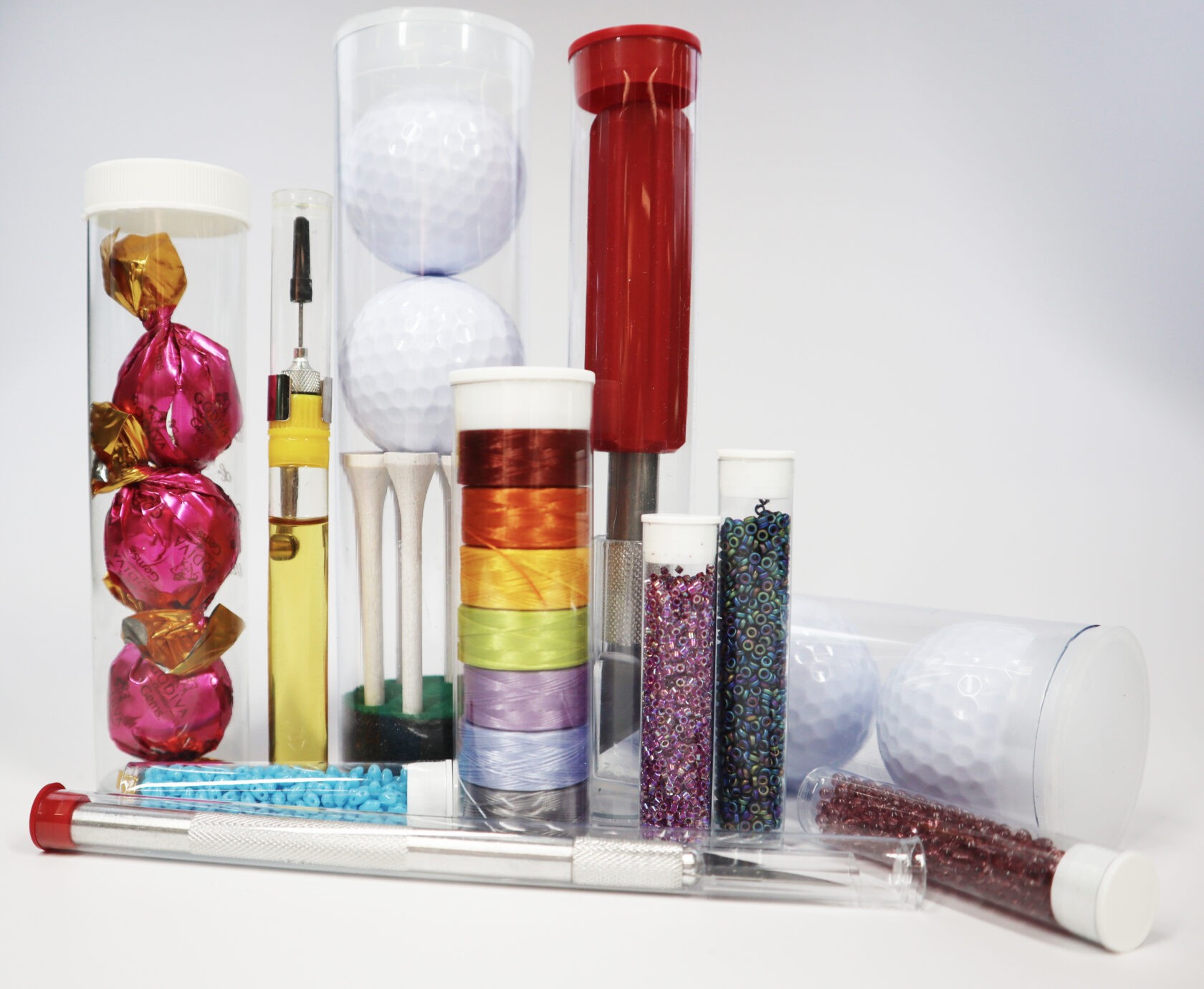
At Petro Packaging we support a wide range of custom extrusion applications, including packaging, tubes, corner guarding, joiner extrusions, and more for a variety of industries. If you’re exploring a new profile or trying to improve an existing one, we can help you evaluate feasibility, recommend a development path, and run meaningful samples from production-intent tooling.
Contact us to discuss your concept (sketch, dimensions, current sample, or functional requirements), target material, and expected volumes. Petro Packaging will review your goals and propose the right prototype services approach—tooling, sampling, and iteration—to help you move from idea to extrusion with confidence.